HapticHearing
PCB redesign for Sam Chin's HapticHearing project: a 4.6× smaller, USB-C powered haptic driver for multi actuator speech augmentation.
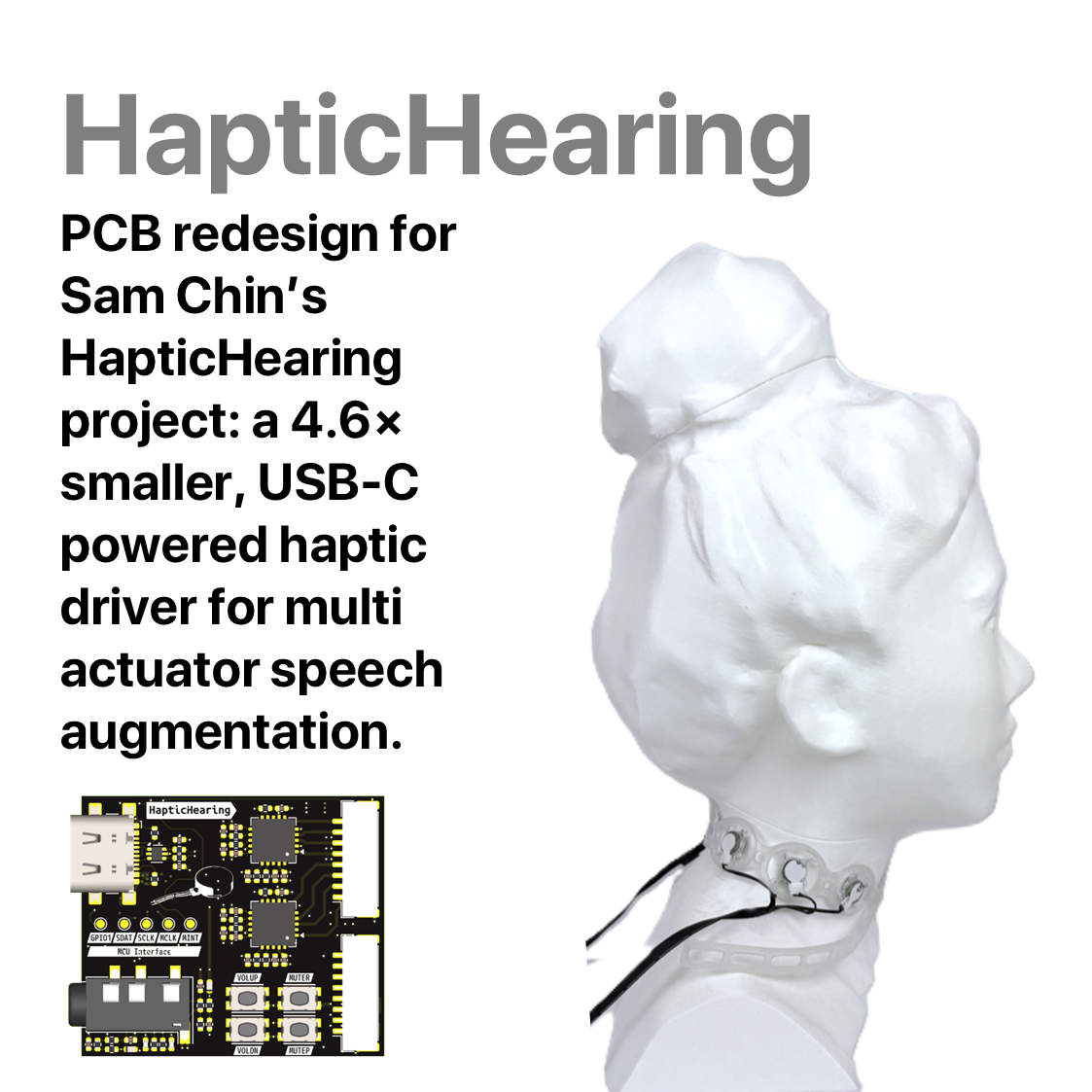
Work done at MIT Media Lab, Responsive Environments group, under the supervision of Sam Chin.
Project Overview
HapticHearing is a haptic speech augmentation system developed by Sam Chin and collaborators at the MIT Media Lab. The system maps speech features onto spatiotemporal vibration patterns delivered through wearable multi actuator devices, with the goal of complementing residual hearing rather than replacing it.
My contribution focuses on the hardware layer. Though the original prototype board was well suited for early lab experiments, its size and power interface made it difficult to integrate into compact wearables and to deploy outside the lab. The new design achieves a 4.6× smaller footprint and powers the system through USB C PD, making it easier to integrate into compact wearables and to deploy outside the lab.
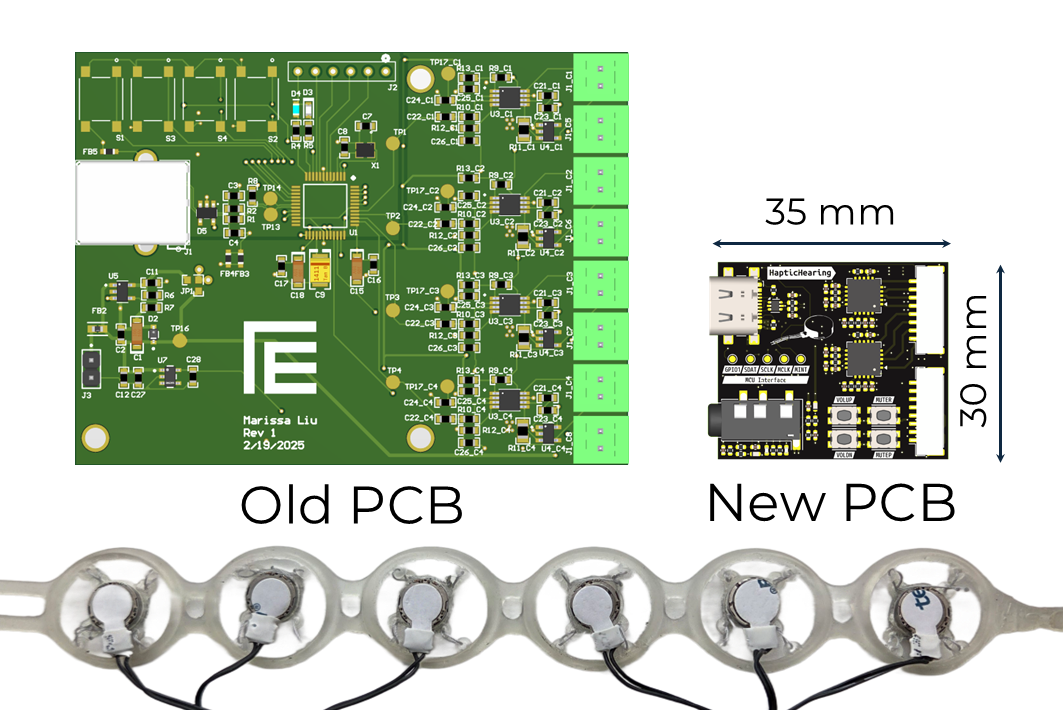
Figure 1: Original HapticHearing prototype board (left) and redesigned version (right).
Redesign Goals
The hardware redesign had three main objectives:
- Reduce the overall PCB area to better match the size of the HapticHearing actuator array .
- Implement USB-C Power Delivery (5V up to 3A), replacing the USB-B connector (5V up to 0.5A) and external power input required due to the larger power requirements of the new board.
- Replace the original single channel audio amplifiers with stereo audio amplifiers to reduce the size and cost of the board.
New Board Architecture
The new hardware is based on the CM6206, a 7.1 audio USB 2.0 controller, which paired with dual class ABaudio amplifiers, can control up to 8 haptic motors in parallel. An ultra-high PSRR LDO is used to power the audio amplifiers, ensuring that noise from the USB bus does not propagate to the haptic motor output.
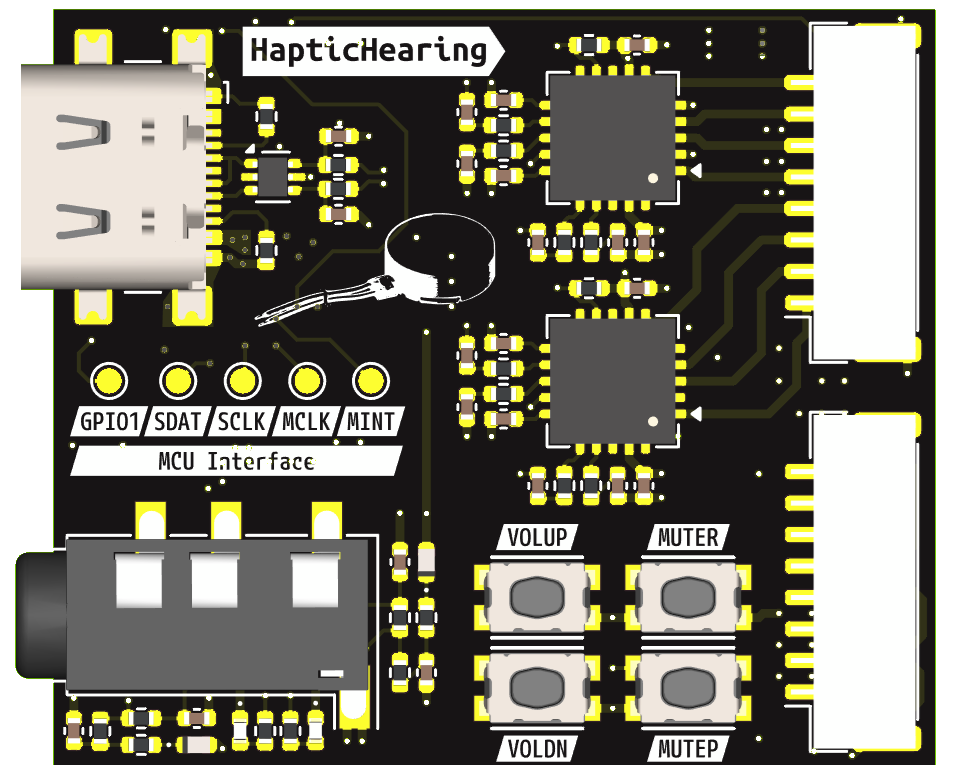
Figure 2a: Front view of the new HapticHearing PCB.
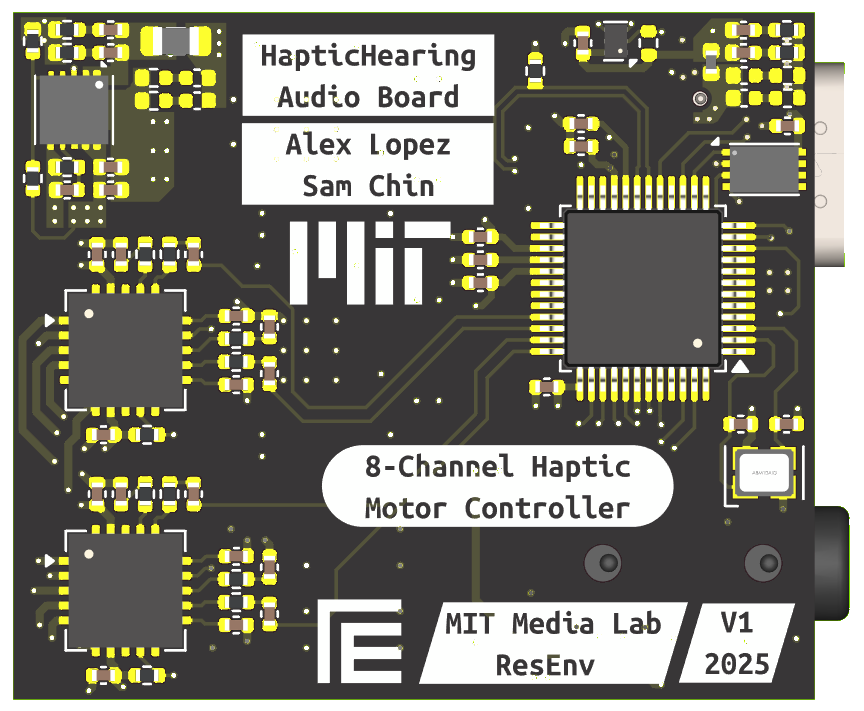
Figure 2b: Back view of the new HapticHearing PCB.
Role and Status
I am responsible for the schematic capture, PCB layout and bring up of the new boards. The redesigned hardware is currently being integrated into the next iteration of HapticHearing.
For details on the original HapticHearing system, please refer to the ASSETS 2025 paper:
HapticHearing: A Haptic Feedback System for Complementing Speech Perception